
Design
AI Is Changing The Game For Product Design — Without Replacing The People Who Do It
AI Is Changing The Game For Product Design — Without Replacing The People Who Do It
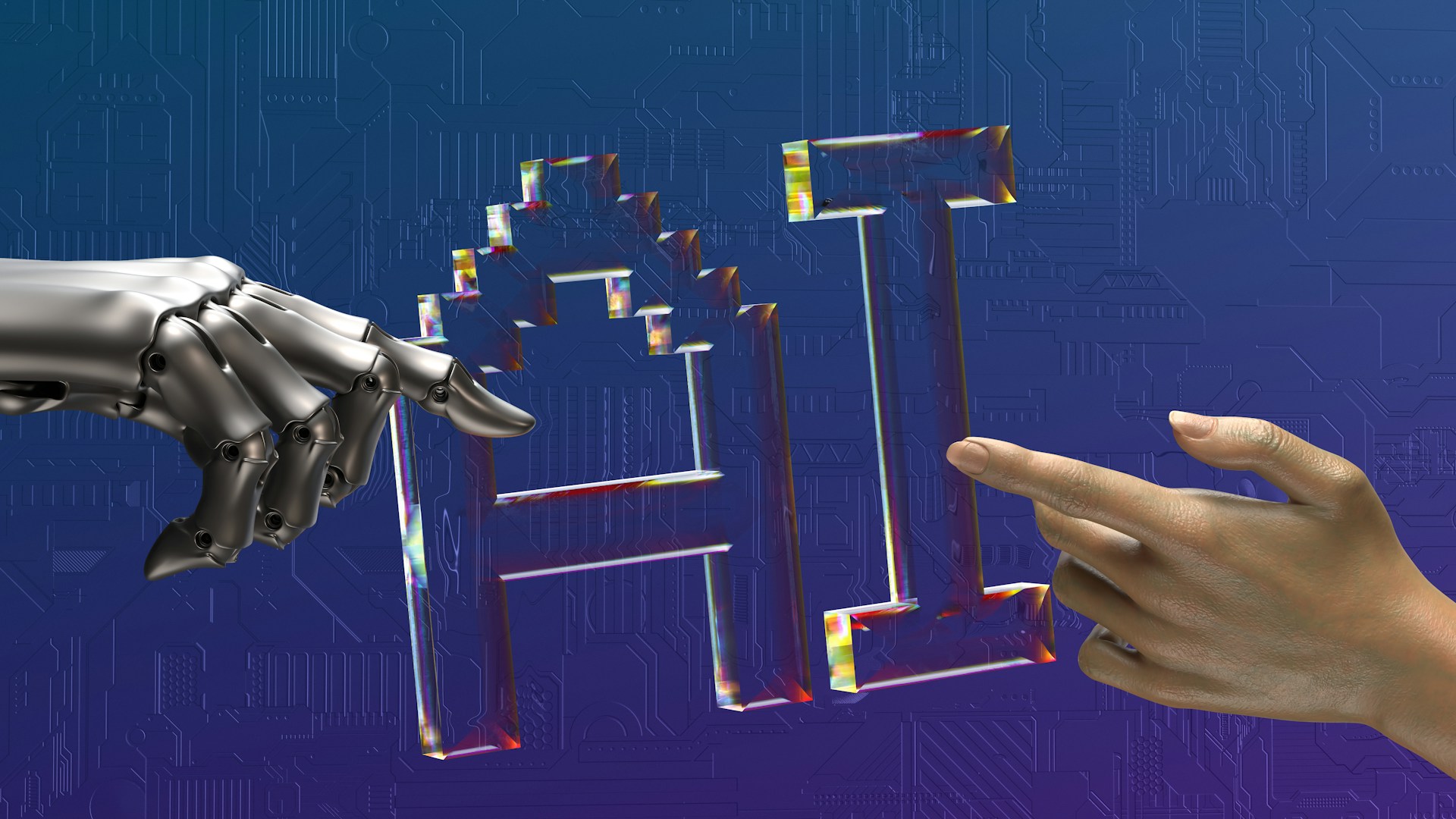
AI tools are reshaping how websites get designed and built, from layout generation to code assistance. Here's why they're becoming a partner for designers and developers, not a substitute for them.
AI tools are reshaping how websites get designed and built, from layout generation to code assistance. Here's why they're becoming a partner for designers and developers, not a substitute for them.
Introduction
A few years ago, "AI-generated website" meant a clunky template with generic stock photos. That's changed fast. Today's AI tools can draft a full layout, suggest a color palette, write clean CSS, and flag accessibility issues before a client even sees the first draft.
That shift has designers and developers asking a fair question: is this the beginning of the end for the profession? The short answer is no. The more accurate story is that AI is becoming a fast, tireless collaborator that handles the repetitive groundwork so people can spend their time on the parts that actually need a human eye.

Faster from blank page to first draft
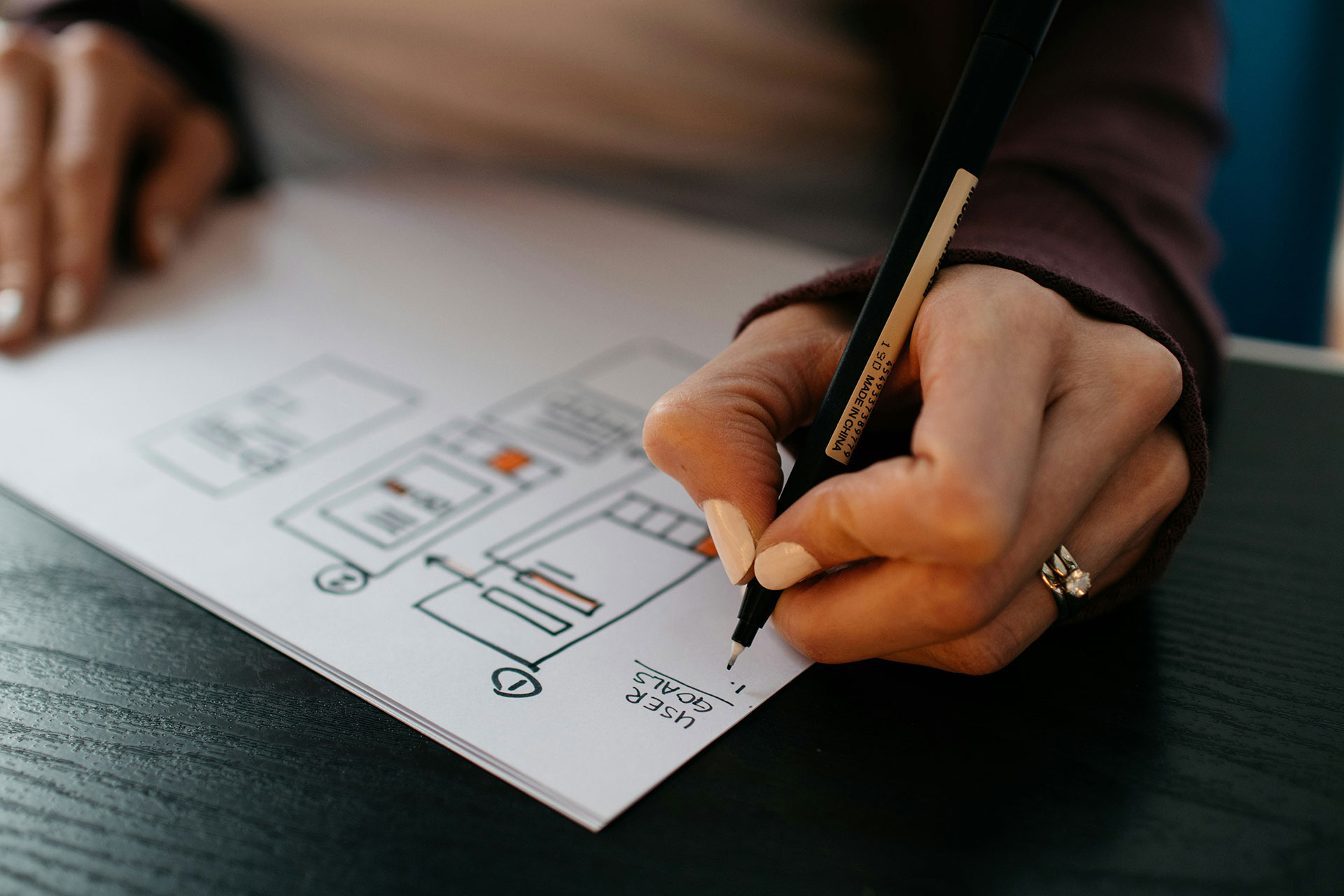
The blank page has always been the hardest part of any design project. AI tools cut that time down significantly. A designer can describe a site's purpose, target audience, and brand tone, and get back a working starting point in minutes instead of days.
This isn't about replacing the designer's judgment. It's about skipping the slowest, least creative part of the process, the initial structuring and layout scaffolding, so more time goes into refining what actually matters: how the site feels to use, how it converts visitors, and how it reflects the brand.
Developers see a similar shift. AI coding assistants can generate boilerplate HTML, CSS, and JavaScript, catch bugs early, and suggest cleaner ways to structure a component. The developer still decides what the site needs to do and reviews every line that ships, but a lot of the mechanical typing disappears.


Smarter personalization and testing
AI also changes what's possible after a site launches. Machine learning models can analyze how visitors actually move through a page and suggest layout or content changes based on real behavior, not guesswork. A/B testing that used to take weeks of manual setup can now run continuously in the background, with AI flagging which version performs better and why.
For e-commerce and content-heavy sites, this means pages that adapt to what visitors respond to, showing different content or calls-to-action based on browsing patterns. That level of responsiveness used to require a dedicated analytics team. Now it's built into many design and CMS platforms directly.
What AI still can't do
For all the speed gains, AI doesn't understand a brand's story, a client's specific frustrations, or the subtle judgment call between a design that's technically correct and one that actually feels right. It can suggest ten color palettes in seconds, but it can't tell you which one will resonate with a specific audience in a specific market. That's still a human read.
AI also struggles with genuinely original creative direction. It's excellent at recombining patterns it has seen before, less reliable at inventing something the web hasn't seen yet. And it has no real sense of a client relationship: managing expectations, translating vague feedback into concrete changes, or knowing when to push back on a request that won't serve the client's actual goals.

Conclusion
AI isn't replacing web designers and developers. It's changing what they spend their time on. The tedious, repetitive parts of the job, scaffolding layouts, writing boilerplate code, running endless test variations, are increasingly handled by machines. What's left is the part that was always the actual craft: understanding a client, making judgment calls, and building something that feels intentional rather than generated.
The designers and developers who treat AI as a collaborator, not a threat, are the ones moving fastest right now. The tools are only getting better. The question isn't whether to use them, it's how to use them well.
Stay Inspired
Get fresh design insights, articles, and resources delivered straight to your inbox.
Latest Blogs

Stay Inspired
Get fresh design insights, articles, and resources delivered straight to your inbox.
Design
AI Is Changing The Game For Product Design — Without Replacing The People Who Do It
AI Is Changing The Game For Product Design — Without Replacing The People Who Do It
AI tools are reshaping how websites get designed and built, from layout generation to code assistance. Here's why they're becoming a partner for designers and developers, not a substitute for them.
AI tools are reshaping how websites get designed and built, from layout generation to code assistance. Here's why they're becoming a partner for designers and developers, not a substitute for them.
Introduction
A few years ago, "AI-generated website" meant a clunky template with generic stock photos. That's changed fast. Today's AI tools can draft a full layout, suggest a color palette, write clean CSS, and flag accessibility issues before a client even sees the first draft.
That shift has designers and developers asking a fair question: is this the beginning of the end for the profession? The short answer is no. The more accurate story is that AI is becoming a fast, tireless collaborator that handles the repetitive groundwork so people can spend their time on the parts that actually need a human eye.
Faster from blank page to first draft
The blank page has always been the hardest part of any design project. AI tools cut that time down significantly. A designer can describe a site's purpose, target audience, and brand tone, and get back a working starting point in minutes instead of days.
This isn't about replacing the designer's judgment. It's about skipping the slowest, least creative part of the process, the initial structuring and layout scaffolding, so more time goes into refining what actually matters: how the site feels to use, how it converts visitors, and how it reflects the brand.
Developers see a similar shift. AI coding assistants can generate boilerplate HTML, CSS, and JavaScript, catch bugs early, and suggest cleaner ways to structure a component. The developer still decides what the site needs to do and reviews every line that ships, but a lot of the mechanical typing disappears.
Smarter personalization and testing
AI also changes what's possible after a site launches. Machine learning models can analyze how visitors actually move through a page and suggest layout or content changes based on real behavior, not guesswork. A/B testing that used to take weeks of manual setup can now run continuously in the background, with AI flagging which version performs better and why.
For e-commerce and content-heavy sites, this means pages that adapt to what visitors respond to, showing different content or calls-to-action based on browsing patterns. That level of responsiveness used to require a dedicated analytics team. Now it's built into many design and CMS platforms directly.
What AI still can't do
For all the speed gains, AI doesn't understand a brand's story, a client's specific frustrations, or the subtle judgment call between a design that's technically correct and one that actually feels right. It can suggest ten color palettes in seconds, but it can't tell you which one will resonate with a specific audience in a specific market. That's still a human read.
AI also struggles with genuinely original creative direction. It's excellent at recombining patterns it has seen before, less reliable at inventing something the web hasn't seen yet. And it has no real sense of a client relationship: managing expectations, translating vague feedback into concrete changes, or knowing when to push back on a request that won't serve the client's actual goals.
Conclusion
AI isn't replacing web designers and developers. It's changing what they spend their time on. The tedious, repetitive parts of the job, scaffolding layouts, writing boilerplate code, running endless test variations, are increasingly handled by machines. What's left is the part that was always the actual craft: understanding a client, making judgment calls, and building something that feels intentional rather than generated.
The designers and developers who treat AI as a collaborator, not a threat, are the ones moving fastest right now. The tools are only getting better. The question isn't whether to use them, it's how to use them well.
Stay Inspired
Get fresh design insights, articles, and resources delivered straight to your inbox.
Latest Blogs
Stay Inspired
Get fresh design insights, articles, and resources delivered straight to your inbox.
Design
AI Is Changing The Game For Product Design — Without Replacing The People Who Do It
AI Is Changing The Game For Product Design — Without Replacing The People Who Do It
AI tools are reshaping how websites get designed and built, from layout generation to code assistance. Here's why they're becoming a partner for designers and developers, not a substitute for them.
AI tools are reshaping how websites get designed and built, from layout generation to code assistance. Here's why they're becoming a partner for designers and developers, not a substitute for them.
Introduction
A few years ago, "AI-generated website" meant a clunky template with generic stock photos. That's changed fast. Today's AI tools can draft a full layout, suggest a color palette, write clean CSS, and flag accessibility issues before a client even sees the first draft.
That shift has designers and developers asking a fair question: is this the beginning of the end for the profession? The short answer is no. The more accurate story is that AI is becoming a fast, tireless collaborator that handles the repetitive groundwork so people can spend their time on the parts that actually need a human eye.
Faster from blank page to first draft
The blank page has always been the hardest part of any design project. AI tools cut that time down significantly. A designer can describe a site's purpose, target audience, and brand tone, and get back a working starting point in minutes instead of days.
This isn't about replacing the designer's judgment. It's about skipping the slowest, least creative part of the process, the initial structuring and layout scaffolding, so more time goes into refining what actually matters: how the site feels to use, how it converts visitors, and how it reflects the brand.
Developers see a similar shift. AI coding assistants can generate boilerplate HTML, CSS, and JavaScript, catch bugs early, and suggest cleaner ways to structure a component. The developer still decides what the site needs to do and reviews every line that ships, but a lot of the mechanical typing disappears.
Smarter personalization and testing
AI also changes what's possible after a site launches. Machine learning models can analyze how visitors actually move through a page and suggest layout or content changes based on real behavior, not guesswork. A/B testing that used to take weeks of manual setup can now run continuously in the background, with AI flagging which version performs better and why.
For e-commerce and content-heavy sites, this means pages that adapt to what visitors respond to, showing different content or calls-to-action based on browsing patterns. That level of responsiveness used to require a dedicated analytics team. Now it's built into many design and CMS platforms directly.
What AI still can't do
For all the speed gains, AI doesn't understand a brand's story, a client's specific frustrations, or the subtle judgment call between a design that's technically correct and one that actually feels right. It can suggest ten color palettes in seconds, but it can't tell you which one will resonate with a specific audience in a specific market. That's still a human read.
AI also struggles with genuinely original creative direction. It's excellent at recombining patterns it has seen before, less reliable at inventing something the web hasn't seen yet. And it has no real sense of a client relationship: managing expectations, translating vague feedback into concrete changes, or knowing when to push back on a request that won't serve the client's actual goals.
Conclusion
AI isn't replacing web designers and developers. It's changing what they spend their time on. The tedious, repetitive parts of the job, scaffolding layouts, writing boilerplate code, running endless test variations, are increasingly handled by machines. What's left is the part that was always the actual craft: understanding a client, making judgment calls, and building something that feels intentional rather than generated.
The designers and developers who treat AI as a collaborator, not a threat, are the ones moving fastest right now. The tools are only getting better. The question isn't whether to use them, it's how to use them well.
Stay Inspired
Get fresh design insights, articles, and resources delivered straight to your inbox.
Latest Blogs
Stay Inspired
Get fresh design insights, articles, and resources delivered straight to your inbox.